
If your weekends are built around a run, a match, or a heavy session at the gym, you already know the feeling — that deep, stubborn tightness in your shoulders, calves, or lower back that a foam roller just can’t quite reach. You’ve probably heard other athletes talk about deep tissue massage like it’s some kind of secret weapon. It is, in a way. But it’s also widely misunderstood — mistaken for “pain therapy” or confused with a regular relaxation massage. This guide walks you through exactly what deep tissue massage is, who it genuinely helps, what a session actually feels like, and where to get it done properly in South Bangalore. Think of this as the conversation we’d have with you at the front desk before your first session, just written down.
Quick Answer: Deep tissue massage uses firm, sustained pressure to release tension in the deeper muscle layers and fascia — ideal for athletes, gym-goers, and anyone with chronic tightness. Sessions run 60–90 minutes, feel like a “good hurt” rather than sharp pain, and are best booked 24–48 hours after intense training. Seven Days Spa’s Bannerghatta Road / JP Nagar branch offers it daily, 10 AM–9 PM.
What Is Deep Tissue Massage? (Overview)
Deep tissue massage is a therapeutic bodywork technique that targets the deeper layers of muscle and the connective tissue (fascia) surrounding them, rather than just working the surface muscles the way a classic relaxation massage does. Where a Swedish massage glides over the body with long, flowing strokes to calm your nervous system, deep tissue massage uses slower, more deliberate strokes and firmer, sustained pressure to reach the muscle fibers that sit underneath — the ones that hold onto tension after a hard training block, a long drive, or weeks of sitting at a desk.
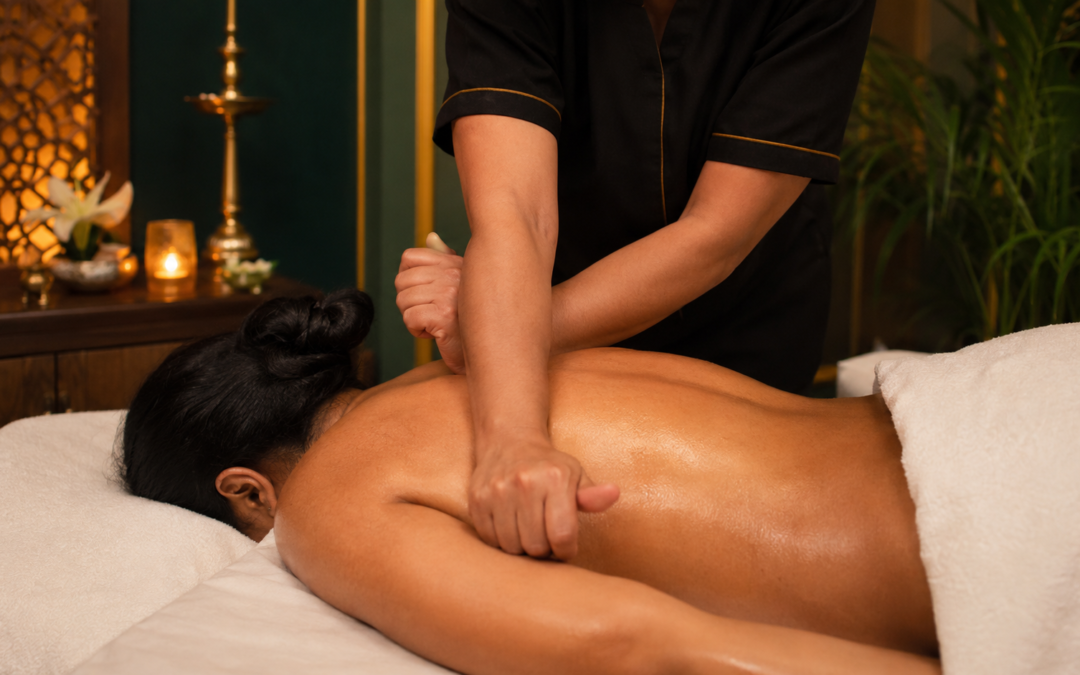
The technique relies on a therapist’s hands, forearms, and sometimes elbows, working along the natural grain of the muscle to release adhesions — those small “knots” you can feel when you press into a tight shoulder or calf. It’s not about brute force. A skilled therapist reads how your tissue responds and layers pressure gradually, working through the more superficial muscle first before easing into the deeper layers. Done well, it should never feel like an assault on your body — it should feel like someone is methodically untangling something that’s been knotted up for weeks.
For athletes and regular gym-goers specifically, deep tissue work plays a different role than it might for someone who just wants to unwind. It’s less about indulgence and more about maintenance — keeping muscle tissue pliable, improving blood flow to areas that take repetitive strain, and catching small pockets of tightness before they turn into the kind of nagging injury that sidelines you for a month. Many of our regular clients at Seven Days Spa think of it the way they think of stretching or mobility work: not a luxury, but part of how they train smart.
Benefits and Who It’s For
Deep tissue massage earns its reputation because the benefits are tangible, not just relaxing. For someone who trains regularly or plays sport, here’s what it actually does for you:
Muscle recovery and reduced soreness. After intense training, microscopic tears in muscle fibers cause inflammation and that familiar next-day soreness (DOMS). Deep tissue work increases circulation to the area, which helps flush out metabolic waste products and deliver oxygen-rich blood to support repair — often shortening how long that soreness sticks around.
Improved flexibility and range of motion. Tight fascia restricts how far a joint can move before your muscles complain. By releasing adhesions and lengthening chronically shortened muscle groups — hip flexors from cycling, calves from running, shoulders from swimming or lifting — deep tissue massage can noticeably free up movement within a few sessions.
Injury prevention. This is where deep tissue work really earns its place in an athlete’s routine. Tight, overworked muscles are more prone to strains and tears. Regular sessions help your therapist (and you) identify problem areas early — a hip that’s compensating, a shoulder that’s overloaded — before they become the injury that keeps you off the field.
Better performance under load. Muscles that move freely produce more efficient force. Clients who train for strength or endurance sports often notice that consistent deep tissue work translates into smoother, less restricted movement patterns during training.
Stress and nervous system relief. While the physical benefits are the headline for this persona, don’t discount the effect on your nervous system. The sustained, focused pressure of deep tissue work activates the parasympathetic nervous system, lowering cortisol and heart rate even while working through genuinely tight tissue.
Who is it for? If you train two or more times a week, compete in a sport, are recovering from a hard training cycle, sit at a desk most of the day and carry tension in your neck and shoulders, or simply have chronic tightness that regular stretching hasn’t resolved — deep tissue massage is likely to help. It’s also a smart addition for anyone prepping for a big event (a marathon, a tournament, a trek) who wants their body performing at its best. If you’re not sure deep tissue is the right fit, browse our full range of spa services to see how it compares with our other massage therapies.
What to Expect During Your Session
Walking in for your first deep tissue session, here’s honestly what happens. You’ll have a short conversation with your therapist before you even get on the table — this matters more than people expect. We ask about your training load, any specific problem areas (a tight lower back, a nagging calf, shoulders that never seem to loosen), recent injuries, and your pain tolerance. This isn’t small talk; it shapes exactly how the session is calibrated.
Once you’re settled, the massage typically begins with lighter, warming strokes to prepare the muscle — this is important, and it’s one thing first-timers don’t always realize: deep tissue work doesn’t start deep. Your therapist works from superficial to deep, letting your tissue “open up” gradually rather than diving straight into pressure, which is both more effective and far more comfortable.
As the session progresses, you’ll feel firmer, more sustained pressure applied along specific muscle groups, often paired with slow strokes and, where useful, cross-fiber friction to break up adhesions. You may feel moments of discomfort — a “good hurt,” as many clients describe it, similar to a deep stretch — particularly over genuinely tight or knotted areas. A well-calibrated session should never tip into sharp or unbearable pain. Communication matters here: tell your therapist if pressure needs to ease off or go deeper. This is a collaborative process, not something done to you.
Sessions generally run 60 to 90 minutes depending on the package you choose, with focus areas prioritized based on your input. Breathing matters more than people expect, too — we often coach clients to breathe slowly and deeply through the tighter spots, since holding your breath tends to make muscles brace against the pressure rather than release into it.
Book your session at Seven Days Spa Bannerghatta Road / JP Nagar Branch today — call +91 89519 38100 or reserve online at sevendaysspa.in.
Deep Tissue Massage at Seven Days Spa Bannerghatta Road / JP Nagar
At our Bannerghatta Road / JP Nagar branch, deep tissue massage is one of our most requested treatments — and for good reason. Our therapists bring over a decade of combined studio experience specifically in sports and therapeutic bodywork, which means we’re not guessing at pressure or technique; we’re calibrating it to your body, your training load, and your recovery goals in real time.
We’re conveniently located near AGN Kalyana Mantapa in Omkar Nagar, just off the Arekere junction on Bannerghatta Road — an easy stop whether you’re heading home after an evening gym session or fitting in a recovery treatment over the weekend, and just a short drive from Meenakshi Mall if you’re combining your visit with errands. Our treatment rooms are designed to feel calm and unhurried, with warm lighting and quiet, private spaces so you can properly switch off during your session. Full details on the branch, directions, and hours are on our Bannerghatta Road / JP Nagar location page.
What sets our approach apart is that every deep tissue session begins with an honest conversation about what your body actually needs that day — because tightness after a long run is different from tightness after a heavy lifting session, and a good therapist treats them differently. We also track recurring problem areas for our regular clients, so if you visit consistently, your therapist builds an understanding of your body over time, rather than starting from scratch every session.
Seven Days Spa – Bannerghatta Road / JP Nagar Branch, 225-226, 2nd Floor, Bannerghatta Rd, near AGN Kalyana Mantapa, Omkar Nagar, Arekere, Bengaluru, Karnataka 560076. Call +91 89519 38100 or visit sevendaysspa.in.
If Bannerghatta Road / JP Nagar isn’t your closest option, deep tissue massage is also available at our HSR Layout and BTM Layout branches, with the same trained team and treatment standards.
Pricing and Packages
Deep tissue massage at Seven Days Spa is priced based on session length and the level of customization you need. Shorter sessions work well as a focused touch-up on one or two tight areas — a common choice for athletes coming straight from training who want quick, targeted relief. Longer 60- and 90-minute sessions allow your therapist to work through the whole body systematically, which is usually the better choice if you’re dealing with widespread tightness or prepping for or recovering from a big event.
We’d rather talk you through current pricing over a call than publish numbers that go stale — packages and seasonal offers do shift, and our team can also advise on which duration makes sense for your specific goals. For our regular training clients, we also offer multi-session packages that work out more cost-effective if you’re planning to make deep tissue work part of your ongoing recovery routine, similar to how you’d budget for physiotherapy or a strength coach. Reach out via our contact page or call the branch directly for the latest pricing and to find a slot that fits your training schedule.
Safety, Precautions and Who Should Avoid It
Deep tissue massage is generally very safe for healthy adults, including regular athletes, but it isn’t the right fit for everyone, and a responsible therapist will always ask before working on you. You should avoid or get medical clearance first if you’re pregnant (certain positions and pressure points need to be adjusted or avoided entirely), have had recent surgery or an acute injury (fresh strains, fractures, or unhealed wounds need time before deep pressure is safe), have uncontrolled high blood pressure or a cardiovascular condition, have a skin condition, infection, or open wound in the treatment area, or are on blood-thinning medication, since deep pressure can increase bruising risk.
If you have a diagnosed injury — a torn muscle, a herniated disc, a stress fracture — please check with your doctor or physiotherapist before booking, and let your therapist know so the session can be adapted or, if necessary, postponed. One mistake we see often with first-time clients, especially athletes eager for relief: booking a deep tissue session immediately after an acute, sharp injury rather than a chronic tightness. Deep tissue work is excellent for ongoing muscular tension and recovery, but a fresh injury needs to be assessed and often needs gentler, more targeted care first.
It’s worth being clear about something important here: deep tissue massage is wellness bodywork, not a medical treatment. It can meaningfully support recovery, flexibility, and day-to-day comfort, but it isn’t a substitute for diagnosis or treatment of an underlying medical condition. If you’re dealing with pain that’s sharp, persistent, worsening, or accompanied by numbness or swelling, please see a doctor before — or instead of — booking a massage.
Aftercare Tips from Our Therapists
What you do after your session matters almost as much as the session itself, especially if you’re using deep tissue work for genuine muscle recovery rather than just relaxation. Here’s what we tell every client on the way out:
Hydrate well. Deep tissue work moves fluid and metabolic waste through tissue that’s been released, and proper hydration helps your body process and flush that out efficiently over the following 24 hours.
Avoid heavy meals and alcohol immediately after. Your body is in a parasympathetic, recovery-focused state post-massage; a heavy meal or alcohol shortly after can work against that and sometimes intensify grogginess.
Give yourself rest, not another hard session. If you’ve had a deep tissue massage, avoid scheduling an intense training session immediately afterward. Light movement — a walk, gentle stretching — is fine and even helpful, but let your muscles properly settle before loading them again.
Expect mild soreness. It’s completely normal to feel some tenderness for a day or so after a deep tissue session, similar to how you’d feel after a solid workout. A warm shower, gentle stretching, and staying hydrated usually eases this quickly. If soreness is unusually sharp or persists beyond 48 hours, get in touch with us or check in with a doctor.
Build consistency if you’re using it for recovery. A single session helps, but athletes who see the most benefit tend to build deep tissue massage into a regular rhythm — every few weeks, or aligned with a heavier training block — rather than treating it as a one-off fix.
Frequently Asked Questions
Is deep tissue massage painful? It shouldn’t be sharply painful. Most clients describe a “good hurt” — similar to a deep stretch — particularly over genuinely tight areas, since a skilled therapist builds pressure gradually rather than starting deep. If something feels like sharp or unbearable pain at any point, tell your therapist immediately; that’s a signal to ease off, not push through.
How is deep tissue massage different from Swedish massage? Swedish massage uses lighter, longer, flowing strokes designed primarily to relax you and calm your nervous system. Deep tissue massage uses firmer, more sustained pressure targeting the deeper muscle layers and fascia, aimed at releasing chronic tension and supporting muscle recovery rather than just relaxation. Many clients actually benefit from both, depending on what they need that week — we cover this comparison in more depth in our Deep Tissue vs Swedish Massage guide.
How soon after a workout should I get a deep tissue massage? For most people, waiting at least 24 to 48 hours after an intense training session works best, giving your body time to move through the initial inflammatory response before deeper work is applied. That said, lighter deep tissue work can also help shortly after training for general muscle maintenance — your therapist can advise based on your specific training schedule.
Who should avoid deep tissue massage? People who are pregnant, recovering from recent surgery or an acute injury, managing uncontrolled high blood pressure or a cardiovascular condition, dealing with a skin infection or open wound in the treatment area, or taking blood-thinning medication should check with a doctor before booking, or let their therapist know so the session can be safely adjusted.
Ready to feel the difference? Call Seven Days Spa Bannerghatta Road / JP Nagar Branch at +91 89519 38100, email sevendaysspainterbgroad@gmail.com, or book now at sevendaysspa.in. Open Monday–Sunday, 10 AM–9 PM.
Explore more from this series: Best Spa in JP Nagar for Deep Tissue Therapy · Deep Tissue vs Swedish Massage: Which One Should You Book? · [Deep Tissue Massage for Gym and Sports Recovery in Bangalore](/) · [How Often Should You Get a Deep Tissue Massage?](/)