
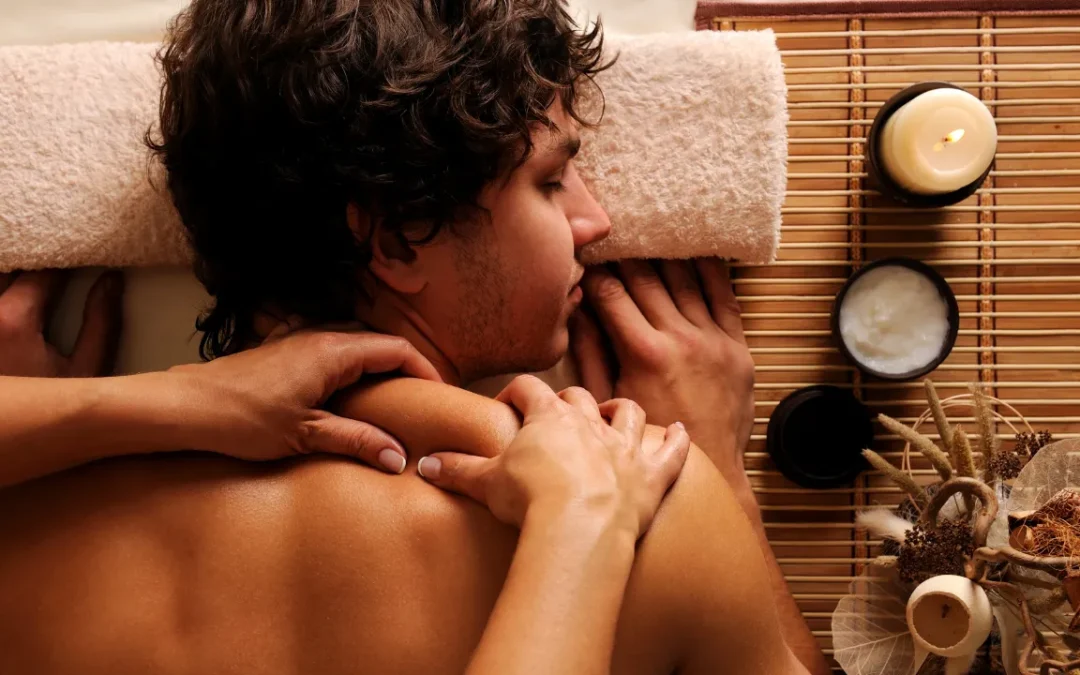
A massage appointment can feel simple from the outside: choose a treatment, arrive at the spa and relax. In reality, the quality of the experience often depends on several small decisions—what treatment you choose, how clearly you describe your pressure preference, whether you mention an injury, how your skin reacts to oils and what you do before and after the session.
Massage Education in BTM Layout is designed to help guests make informed choices rather than select a service only because its name sounds familiar. The aim is not to turn every guest into a therapist. It is to explain the practical information that helps a person communicate comfortably, recognise safety limits and understand what massage can and cannot reasonably do.
At Seven Days Spa BTM Layout, a professional appointment should begin with a short consultation covering the guest’s goals, preferred pressure, fragrance sensitivity, relevant health information and any areas that should receive extra attention or be avoided. This guide covers oils, pressure, preparation, aftercare, myths, safety, hydration and stretching, along with current website-listed services and prices.
Quick answer: A good massage should be matched to the guest’s comfort and current condition. Stronger pressure is not automatically better, oils should be selected with allergies and fragrance sensitivity in mind, hydration should remain normal rather than excessive, and stretching should feel gentle—not forced. Massage supports relaxation and personal care, but it does not diagnose or treat injuries or medical conditions.
Plan your visit:
View the BTM Layout branch · WhatsApp Now · Call +91 97317 97100 · Get Directions · View Services
What Does Massage Education Mean?
Massage education means giving guests enough clear information to make a comfortable and informed decision. It includes understanding the difference between relaxation-focused and firmer treatments, knowing how to describe pressure, identifying fragrance or skin sensitivities, recognising situations where massage should be postponed and understanding realistic aftercare.
Massage Education in BTM Layout also improves communication. A therapist cannot accurately know whether a sensation feels soothing, uncomfortable, sharp or too intense unless the guest says so. Clear phrases such as “lighter pressure,” “please avoid this area,” “I prefer no fragrance” or “that feels sharp” are useful and appropriate during any session.
Education also protects against exaggerated claims. Massage may feel relaxing and may temporarily change how tight or sore a person feels, but it cannot remove “toxins,” repair a torn ligament, cure chronic pain, correct a slipped disc or replace medical care. A responsible spa guide should explain both possible comfort benefits and clear limitations.
Massage Oils: What Guests Should Know
Massage oils and lotions reduce friction, support smooth hand movements and can influence the sensory experience of a treatment. The product used should match the treatment style, the guest’s skin and any fragrance preference.
Massage Education in BTM Layout should explain that “natural” does not automatically mean suitable for everyone. Plant oils and essential oils can still cause irritation or allergic reactions. Guests should mention eczema, active rashes, known allergies, asthma triggered by fragrance, migraine sensitivity, recent waxing, sunburn or dermatological treatment before products are applied.
Carrier oils and massage mediums
Carrier oils are base oils used to create glide. Common examples in the wider spa industry include coconut, sesame, almond, grapeseed and jojoba-based products. The exact product used at the branch should be confirmed before treatment, especially when the guest has a nut allergy or sensitive skin.
Essential oils
Essential oils are concentrated aromatic extracts. They should be diluted appropriately and used only after checking fragrance tolerance and relevant health information. A strong smell is not proof that an oil is more effective. Guests may request a low-fragrance or fragrance-free session.
When to request a patch test or avoid a product
- Known allergy to nuts, seeds, fragrances or cosmetic ingredients
- Active eczema, dermatitis, rash or unexplained irritation
- Freshly shaved, waxed, sunburned or exfoliated skin
- Asthma, nausea or headaches triggered by strong scents
- Pregnancy or a health condition where product choice should be discussed with a healthcare professional
- Use of prescription skin treatment on the area
For a broader comparison of fragrance-based and non-fragrance treatments, see the massage-style comparison guide.
Massage Pressure: Light, Medium or Firm?
Pressure is personal. Two guests can receive the same technique and describe it very differently. One may find medium pressure relaxing, while another may find it uncomfortable. The correct level is the one that remains controlled, tolerable and appropriate for the goal.
Massage Education in BTM Layout should make one principle clear: pain is not a score. Guests do not need to tolerate excessive pressure to receive a “proper” massage. Firm work can feel intense, but it should not create sharp, burning, electrical, radiating or alarming pain.
| Pressure Level | How It May Feel | May Suit | What to Say |
|---|---|---|---|
| Light | Gentle contact and smooth movements | First visits, relaxation, sensitivity or preference for soft touch | “Please keep the pressure light.” |
| Medium | Noticeable but comfortable pressure | General relaxation with more focused attention | “This pressure is comfortable.” |
| Firm | Deeper, slower or more focused pressure | Guests who prefer stronger work and have no injury warning signs | “Firm is okay, but please reduce it if I tense up.” |
| Too much | Sharp, burning, electrical, radiating, breath-holding or involuntary guarding | No one should continue at this level | “Please stop or reduce the pressure now.” |
The therapist may also use different pressure in different areas. The back may tolerate more than the neck, feet, abdomen or recently trained muscles. Pressure can be changed at any time.
What to Do Before a Massage
Preparation does not need to be complicated. The most useful steps are practical: arrive on time, eat normally, share relevant information and avoid activities that make the skin or body more sensitive immediately before treatment.
Massage Education in BTM Layout recommends the following pre-session checklist:
- Book the treatment and duration that match your actual goal.
- Allow enough travel time for Bengaluru traffic.
- Eat a normal light meal rather than arriving extremely hungry or immediately after a heavy meal.
- Drink according to normal thirst; there is no need to force large amounts of water.
- Tell the spa about allergies, recent injuries, surgery, pregnancy, medication, skin conditions and medical advice.
- Mention gym training, long travel or unusual physical activity from the previous day.
- Avoid alcohol or recreational substances before the appointment.
- Avoid treatment when feverish, contagious, severely dehydrated or acutely unwell.
- Bring only essential valuables and ask about storage.
- Use the restroom before the session if needed.
What to wear
Wear comfortable clothing that is easy to change. A professional spa should provide private preparation time and explain draping. Only the area being treated should be uncovered, and the guest may request additional coverage or a different position.
What to tell the therapist
Share your goal, pressure preference, areas that feel generally tired, areas to avoid and whether you prefer silence or occasional check-ins. Do not assume that discomfort must be hidden to avoid offending the therapist.
What to Do After a Massage
Aftercare should be simple and realistic. Most guests can return to ordinary daily activity, but the period immediately after the session may feel better when it is not overloaded with intense exercise, alcohol or another demanding appointment.
Massage Education in BTM Layout recommends:
- Stand up gradually if you feel deeply relaxed or slightly light-headed.
- Drink normally according to thirst.
- Eat a regular meal if it is mealtime.
- Keep the rest of the day relatively calm when possible.
- Avoid testing the body with a very intense workout immediately afterward.
- Follow product-care instructions if oil remains on the skin.
- Wash the area if itching, redness or irritation develops.
- Contact a healthcare professional for severe, unusual or worsening symptoms.
Mild temporary tenderness can occur after firmer bodywork, but significant bruising, severe pain, weakness, numbness, swelling or loss of function should not be dismissed as a normal “healing response.”
Common Massage Myths
| Myth | More Accurate Explanation |
|---|---|
| “A massage must hurt to work.” | Massage can be effective as a relaxation experience without severe pain. Excessive pressure can create guarding and discomfort. |
| “Firm pressure is always better.” | The appropriate pressure depends on preference, treatment style, tissue sensitivity and health information. |
| “Massage flushes toxins.” | The term is vague and often unsupported. The body already uses the liver, kidneys, lungs and digestive system to process waste. |
| “You must drink litres of water afterward.” | Normal hydration according to thirst is generally more sensible than forcing excessive water. |
| “Soreness proves the massage worked.” | Soreness is not a quality measure. A good session should not be judged by how much pain follows. |
| “Massage can repair an injury.” | Massage cannot diagnose or repair fractures, tears or joint injuries. Suspected injuries require qualified assessment. |
| “One treatment permanently fixes posture.” | Posture and discomfort are influenced by movement, strength, work setup, habits, sleep and health factors. |
| “Stretching must be intense after massage.” | Gentle movement may feel comfortable, but forceful stretching can irritate sensitive areas. |
Massage Education in BTM Layout should reduce confusion rather than replace individual advice. When symptoms are persistent, severe or unexplained, a doctor or physiotherapist is better placed to assess the cause.
Massage Safety: When to Postpone or Seek Advice
Massage is a complementary wellness service, not a substitute for diagnosis or emergency care. A guest should postpone the session or seek medical guidance when there are symptoms that may indicate infection, injury, circulation problems or another health concern.
Tell the therapist before treatment if you have:
- Recent surgery, fractures, sprains or significant injuries
- Pregnancy or recent childbirth
- Blood-thinning medication or a bleeding disorder
- Osteoporosis or fragile bones
- A history of blood clots
- Active cancer treatment or a significant medical condition
- Neuropathy, reduced sensation or unexplained numbness
- Skin infection, open wounds, burns, fresh bruising or severe rash
- Recent vaccination or injection-site soreness in the treatment area
- Ongoing physiotherapy or medical restrictions
Seek prompt medical care instead of massage for:
- Chest pain, severe breathlessness, fainting or sudden weakness
- A hot, red, swollen and tender calf
- Sudden numbness, loss of strength or difficulty walking
- Severe pain after a fall, collision or clear injury
- Possible fracture, dislocation or major joint instability
- High fever, contagious illness or rapidly spreading skin infection
- Unexplained bleeding or severe abdominal pain
The guest remains in control throughout the appointment. Consent can be changed or withdrawn at any point. A professional therapist should explain the treatment, protect privacy and respond immediately when pressure or positioning is uncomfortable.
Hydration Before and After Massage
Hydration matters for general health, but massage does not create a special need to force extreme amounts of water. Drink normally before and after the session, guided by thirst, weather, exercise and individual medical advice.
Massage Education in BTM Layout avoids the common “detox water” claim. Water supports normal body function, but it does not wash massage-released toxins out of the muscles. Excessive water intake can also be unsafe in some circumstances, especially for people with kidney, heart or electrolyte-related conditions.
Practical hydration guidance
- Arrive normally hydrated rather than drinking a large amount immediately before treatment.
- Take small, comfortable amounts if you are thirsty afterward.
- Replace fluids appropriately after heavy exercise, heat exposure or long travel.
- Follow healthcare advice if you have fluid restrictions.
- Do not use alcohol as post-massage hydration.
Stretching Before and After Massage
Stretching is optional, not compulsory. Gentle movement can help a guest notice how the body feels, but stretching should not be forced into pain or used to “test” whether the massage worked.
Massage Education in BTM Layout recommends slow, comfortable movement after treatment. Neck turns, shoulder rolls, a short walk or gentle leg movement may feel useful. Deep end-range stretching, bouncing or intense mobility work is better avoided when tissues feel tender or unusually loose.
Simple stretching rules
- Move slowly and breathe normally.
- Stop before sharp, radiating or electrical pain.
- Do not stretch an acutely injured or swollen area.
- Avoid forcing joints beyond their normal range.
- Use a physiotherapist’s plan when recovering from injury.
- Wait until the body feels steady before returning to demanding exercise.
Choosing a Treatment at Seven Days Spa BTM Layout
The correct treatment depends on the guest’s comfort, pressure preference, fragrance tolerance and goal. The names below describe different experiences; they are not medical prescriptions.
| Service | May Suit | Published Duration | Current Website Price |
|---|---|---|---|
| Classical Swedish Massage | First-time guests and smooth full-body relaxation | 60 / 90 minutes | ₹2,200 / ₹2,500 |
| Aroma Therapy | Guests who enjoy a fragrance-based relaxation experience | 60 / 90 minutes | ₹2,000 / ₹2,500 |
| Signature Sports Massage | Guests who prefer more focused work after ordinary physical activity | 60 / 90 minutes | ₹2,200 / ₹2,700 |
| Classical Abhyanga | Guests interested in a warm-oil Ayurvedic-style wellness service | 60 minutes | ₹2,100 |
| Thai Massage | Guests comfortable with a dry, more active compression-and-movement style | 60 / 90 minutes | ₹2,200 / ₹2,700 |
| Instant Tense Away | Head, foot, neck, shoulder and back-focused relaxation | 60 minutes | ₹2,500 |
Prices are based on the current official BTM branch page and may change. The page advertises offers of up to 20% on selected services. Confirm taxes, inclusions, availability and current offers before payment.
Guests comparing styles can also read the Swedish, aromatherapy, deep-tissue and Thai comparison, the BTM services under ₹2,500 guide and the full-service BTM spa page.
What to Expect at Seven Days Spa BTM Layout
A professional appointment should include a consultation, private preparation, appropriate draping, clean linens, gradual techniques and regular comfort checks.
- Goal: Explain whether you want relaxation, general recovery, a fragrance-based experience or focused attention.
- Pressure: Choose light, medium or firmer pressure according to comfort.
- Health information: Mention injuries, surgery, allergies, medication, pregnancy, skin conditions and relevant medical advice.
- Products: Confirm whether fragrance and essential oils are acceptable.
- Priority areas: Identify areas that feel generally tired.
- Areas to avoid: State where massage should not be performed.
- Communication: Request silence, check-ins or explanations.
- Control: Change pressure, pause or end the treatment whenever needed.
Massage Education in BTM Layout is most useful when it turns into clear communication during the appointment. A guest never needs to prove pain tolerance, accept a fragrance they dislike or continue a technique that feels wrong.
Seven Days Spa BTM Layout
The BTM branch serves BTM 2nd Stage, Kuvempu Nagar, Madiwala, Tavarekere, Koramangala, Jayanagar and nearby South Bengaluru neighbourhoods.
Seven Days Spa – BTM Layout
940, 2nd Floor, 16th Main Road,
BTM 2nd Stage, Kuvempu Nagar,
Bengaluru, Karnataka 560076
Phone and WhatsApp: +91 97317 97100
Email: sevendaysspabtm@gmail.com
Main-site hours: Monday–Sunday, 10 AM–9 PM
The older BTM microsite displays a closing time of 8 PM, while the current main-site branch page displays 9 PM. Confirm the closing time when booking an evening appointment.
Get Directions · WhatsApp Now · View Branch Details
Trust and hygiene signals to publish
- Consultation and pressure customisation before treatment
- Therapist qualifications, formal training and years of experience
- Private treatment rooms and appropriate draping
- Fresh linens and cleaned treatment spaces
- Product and fragrance disclosure before use
- Clear service duration, price and package inclusions
- A process for reporting discomfort or stopping treatment
- Only genuine testimonials used with attribution
The BTM microsite currently displays “42 Google reviews” but does not show a verified live rating in the accessible page text. Recheck the live Google Business Profile immediately before publishing a rating or current review total.
Frequently Asked Questions
1. What is massage education?
Massage education explains treatment choices, pressure, products, preparation, safety and aftercare so guests can make informed decisions and communicate comfortably.
2. Which massage is suitable for a first visit?
Many first-time guests consider Swedish massage because it generally uses smooth, adjustable pressure. The final choice should depend on the guest’s goal, comfort and health information.
3. Is stronger massage pressure always better?
No. Pressure should remain controlled and tolerable. Stronger pressure is not automatically more effective, and sharp or radiating pain should be reported immediately.
4. Should a massage hurt?
A firm treatment may feel intense, but it should not create alarming pain, numbness, burning, electrical sensations or involuntary guarding.
5. Can I ask the therapist to change pressure?
Yes. Pressure can be reduced or increased at any time. The guest may also ask to avoid an area, change position, pause or stop.
6. Which oils are used during massage?
The product depends on the treatment and branch supply. Ask the spa to confirm the exact oil or lotion, especially when you have allergies, sensitive skin or fragrance intolerance.
7. Can I request a fragrance-free session?
Yes. Tell the spa before the appointment and confirm the product before it is applied.
8. Should I eat before a massage?
A normal light meal is generally more comfortable than arriving extremely hungry or immediately after a heavy meal.
9. How much water should I drink after massage?
Drink normally according to thirst and personal medical guidance. There is no need to force litres of water to “flush toxins.”
10. Does massage remove toxins?
Claims that massage flushes unspecified toxins are often exaggerated. The body already uses organs such as the liver and kidneys to process waste.
11. Is soreness after massage normal?
Mild temporary tenderness can occur after firmer work, but severe or worsening pain, bruising, weakness, numbness or swelling is not a quality sign and may require assessment.
12. Should I stretch after massage?
Gentle movement may feel comfortable, but stretching is optional. Avoid forceful, bouncing or painful stretching, especially when an area is tender.
13. Can I exercise immediately after massage?
Light normal activity may be comfortable, but an intense workout immediately afterward may not suit everyone. Plan according to how you feel and your training needs.
14. When should massage be avoided?
Postpone treatment for fever, contagious illness, active skin infection, open wounds, acute injury, suspected fracture or other concerning symptoms. Seek professional advice when unsure.
15. Is massage safe during pregnancy?
Pregnancy requires individual guidance. Ask your healthcare professional and confirm that the therapist is appropriately trained before booking.
16. What hygiene and privacy should I expect?
Expect private preparation, appropriate draping, clean linens, a clean treatment space and clear communication about products and techniques.
17. How do I book at Seven Days Spa BTM Layout?
Call or WhatsApp +91 97317 97100, open the BTM branch page or use the Google directions link.
Book Massage Education in BTM Layout
Massage Education in BTM Layout gives guests a practical framework for choosing a treatment, discussing pressure, checking products, preparing safely and following sensible aftercare. The goal is a session that feels informed, private and comfortable—not one based on myths, pressure to tolerate pain or unrealistic promises.
Book Now: Seven Days Spa BTM Layout
WhatsApp Now: +91 97317 97100
Check Today’s Availability: Call the branch
View Pricing: Current BTM menu
Get Directions: Open Google location